

 EN
 ES
 PT
 DE
 FR
 IT
 PL
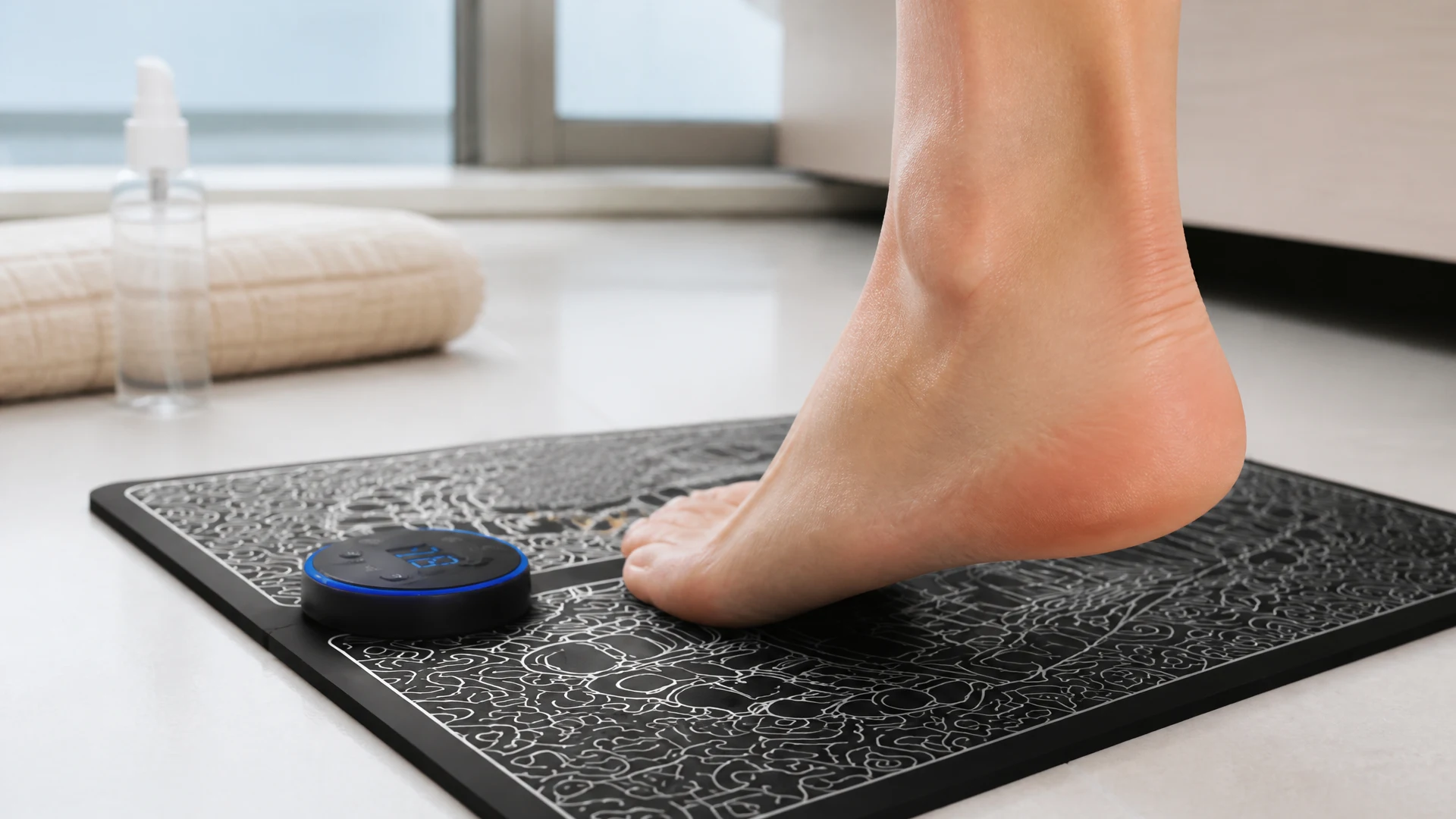
Plantar fasciitis is one of the most common reasons people search for foot pain relief, and EMS foot massagers often show up in that search alongside orthotics, stretching routines, and physical therapy. The honest answer about whether EMS actually helps is more nuanced than most product descriptions suggest, and it’s worth knowing before you buy one specifically for this condition.
What Plantar Fasciitis Actually Is
Plantar fasciitis is inflammation and micro-damage to the plantar fascia, a thick band of tissue running along the bottom of the foot from heel to toes. The classic symptom is a sharp, stabbing heel pain with the first steps in the morning that eases somewhat as the foot warms up, then often returns after long periods of standing or walking. It’s a tissue and inflammation problem, not primarily a muscle-weakness or nerve-signal problem.
That distinction matters because it shapes which electrical stimulation technology is actually a good fit. EMS is built to contract muscle tissue — useful for muscle fatigue or tension, but not a direct match for inflamed connective tissue.
What the Research Actually Shows About EMS and Plantar Fasciitis
This is the part most product pages skip. A 2023 comparative review published in Pain Therapy that evaluated 13 different forms of electrical stimulation found that EMS specifically had only very low-quality evidence, based on a systematic review of electrotherapy for neck pain showing it was no more effective than a placebo for disability or pain. The same review found a related but distinct technology — noninvasive interactive neurostimulation (NIN) — was rated the most effective of five modalities studied specifically for plantar fasciitis pain reduction. NIN is not the same technology as the EMS foot massager pad discussed on this site, and that distinction matters: the strongest evidence for electrical stimulation and plantar fasciitis applies to a different device category.
Separately, some lower-frequency electrical stimulation studies have reported pain reduction and functional improvement for plantar fasciitis over 3-4 week treatment periods — but those studies generally used low-frequency stimulation protocols in clinical settings, not consumer EMS foot mats used casually at home. It would be inaccurate to present that clinical research as proof this specific product treats plantar fasciitis.
Common Risk Factors Worth Knowing
Plantar fasciitis tends to show up more often in runners, people who stand for long shifts on hard floors, people carrying extra body weight, and anyone with tight calf muscles or unsupportive footwear. Recognizing which of these applies to your situation matters more for choosing a treatment approach than any electrical device does — someone whose plantar fasciitis is driven by worn-out work shoes needs different footwear first, not more gadgets layered on top of the same daily strain.
When EMS Might Not Be a Good Idea for This Condition
If your heel or arch is acutely inflamed, swollen, or painful to the touch, running an EMS session directly over that area isn’t well-supported and could add discomfort rather than relief, since the device’s main action is causing muscles to actively contract. A more reasonable approach during an acute flare-up is to focus any EMS use on the calf rather than directly over an inflamed heel, and to lean more heavily on rest, ice, and stretching until the acute inflammation settles.
So What Can an EMS Foot Massager Realistically Do?
Even without strong evidence for treating the fascia inflammation directly, there’s a reasonable, more modest case for using an EMS-voetmassageapparaat alongside plantar fasciitis care rather than as a replacement for it. Many people with plantar fasciitis unconsciously tense the muscles in their calves and feet to compensate for the pain, and that compensatory tension can itself become a secondary source of discomfort. EMS’s actual, well-supported function — contracting and relaxing muscle tissue — may help with that secondary tension, even if it isn’t addressing the fascia itself.
What Actually Has Stronger Evidence for Plantar Fasciitis
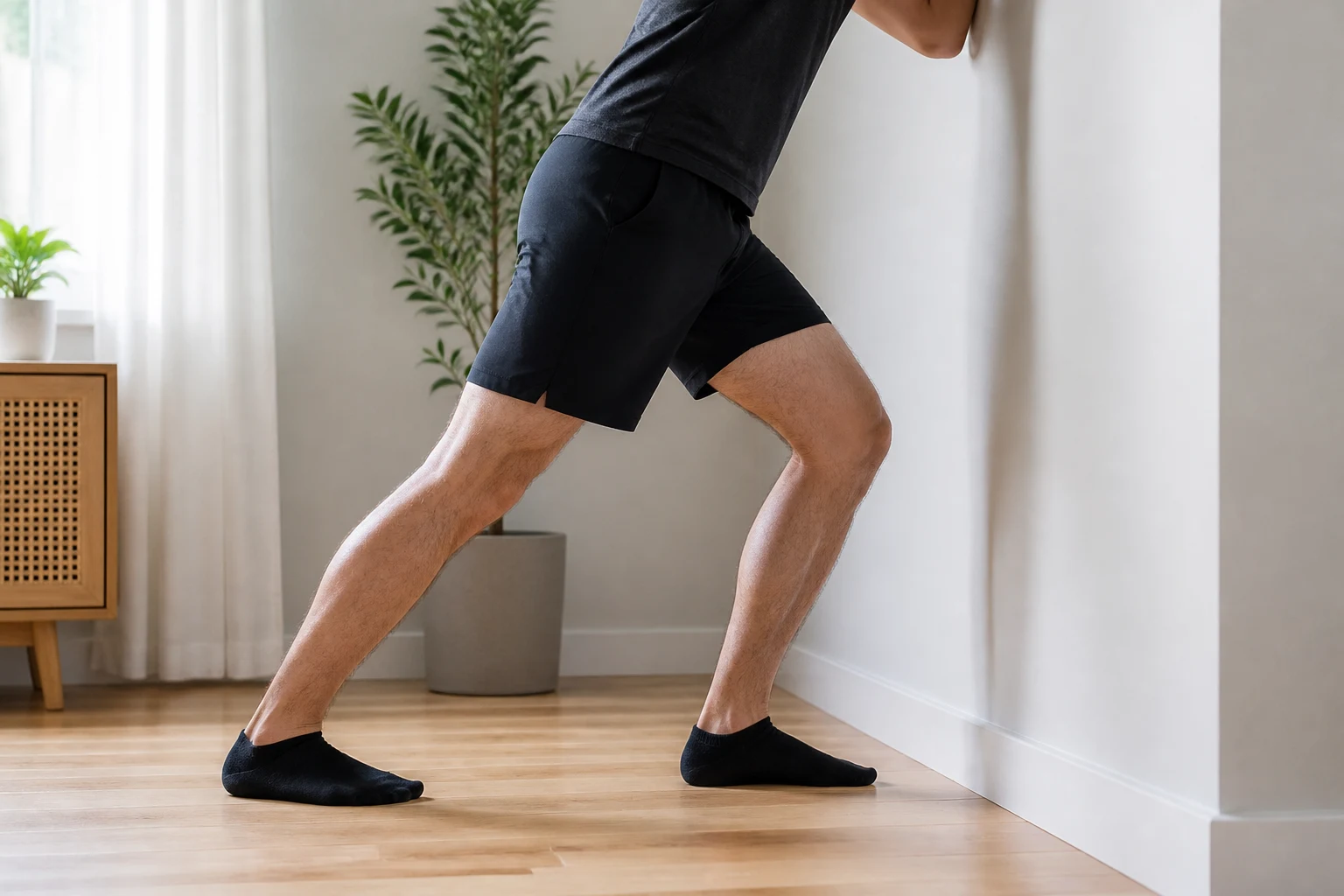
Since this article is about giving you an accurate picture rather than selling a single product, it’s worth naming what the broader evidence base does support for plantar fasciitis specifically: calf and plantar fascia stretching routines, supportive footwear or orthotic inserts, night splints, and in persistent cases, physical therapy or corticosteroid injection under a doctor’s guidance. These remain the first-line approaches most podiatrists recommend, with electrical stimulation — of any type — generally positioned as a supplementary tool rather than primary treatment.
If You Still Want to Try EMS Alongside Your Treatment Plan
- Use it as a complement to stretching and orthotics, not a replacement for either.
- Focus sessions on general foot and calf relaxation rather than expecting targeted relief at the heel specifically.
- Start at the lowest intensity, especially if your foot is already inflamed and sensitive.
- Track whether you notice any difference after 2-3 weeks of consistent use — if not, that’s useful information to bring to a podiatrist rather than a reason to increase intensity.
When to See a Doctor Instead
Plantar fasciitis pain that persists beyond a few months despite stretching and supportive footwear, or pain severe enough to change how you walk, warrants a podiatrist’s evaluation rather than continued at-home management. Sudden, severe heel pain — especially after an injury — is also a reason to see a doctor rather than reaching for any home device, electrical or otherwise.
If nerve-related foot pain rather than plantar fasciitis is your main concern, our guide on EMS and neuropathy covers that condition specifically, and our TENS vs. EMS comparison breaks down which technology fits which type of pain.
Veelgestelde vragen
Does an EMS foot massager cure plantar fasciitis?
No. There is no strong clinical evidence that EMS treats the underlying inflammation of plantar fasciitis. It may help with secondary muscle tension in the foot and calf, but it is not a substitute for stretching, orthotics, or medical treatment.
Is EMS or TENS better for plantar fasciitis?
Neither has strong standalone evidence for this specific condition, though some electrical stimulation studies on plantar fasciitis have used technologies closer to TENS or specialized nerve stimulation than standard EMS. Both are better understood as potential complements to established treatments like stretching and orthotics rather than primary therapies.
How long until plantar fasciitis improves with any treatment?
Most cases improve within several months with consistent stretching, supportive footwear, and activity modification, though some persist longer. There’s no documented timeline specific to adding an EMS device to that routine, since it isn’t a core treatment for the condition.
Should I use EMS on my heel directly or somewhere else?
If the heel is acutely inflamed, focusing EMS use on the calf rather than directly over the painful heel area is the more cautious approach, since EMS works by causing active muscle contraction rather than a passive, soothing sensation.
Kort samengevat
The honest answer is that EMS foot massagers don’t have strong evidence for treating plantar fasciitis directly — the research that does support electrical stimulation for this condition generally points to different technologies used in clinical settings. What an EMS mat can reasonably offer is relief for the muscle tension that often accompanies plantar fasciitis, used alongside — not instead of — stretching, orthotics, and your doctor’s treatment plan. Full specs for the device discussed here are on the productpagina van de EMS Electric Foot Massager Pad.