Table of Contents
Dealing with knee pain can be a real drag, but there’s a quick and effective way to find some relief: massage. I’ve been through this myself, helping my mom who often complains about her aching knees. So, if you’re wondering how to massage a knee, you’re in the right place. Let’s dive into some simple techniques that can make a big difference.
Understanding Trigger Points
Before we get into the nitty-gritty of knee massages, it’s important to understand trigger points. These are basically knots in your muscles that can cause pain not just where they are, but also in other parts of your body. For example, a trigger point in your quadriceps (the muscles at the front of your thigh) can refer pain to your knee. It’s like a domino effect, and finding and massaging these points can really help.
The Lift Technique: A Simple and Effective Start
One of the best ways to start is with the lift technique. This method helps you locate those pesky trigger points above and below the knee. Here’s how you do it:
- Have the person lie on their back on a firm surface, like a mattress.
- Ask them to bend their knee and rest their foot on the surface, or you can have their calf rest on your thigh if you’re sitting beside them.
- Put a bit of peppermint or eucalyptus oil on your hands—trust me, it makes the massage more soothing.
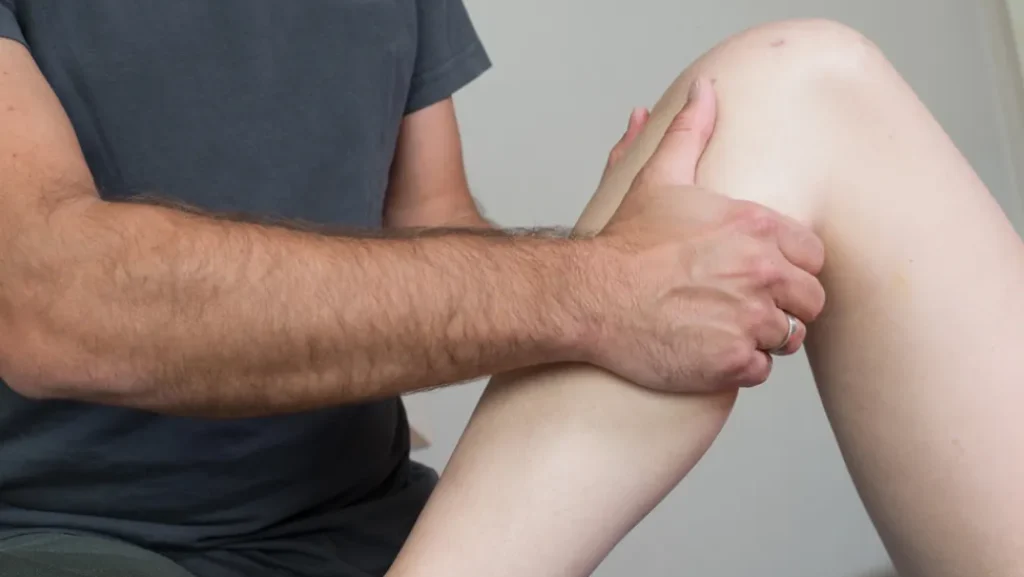
- Gently glide your hands above and below the knee, squeezing the area above and below the kneecap.
- As you squeeze, slowly slide your hands away from the kneecap, adjusting the pressure based on what feels good for them.
- Massage one knee for 5-10 minutes and then switch to the other.
It’s a great way to start because it’s gentle and effective. Plus, the feedback from the recipient helps you pinpoint the right spots.
The Friction Technique: Targeting the Sides of the Knee
Next up is the friction technique, which focuses on the sides of the knee cap. Here’s how it works:
- Again, have the person lie on their back on a firm surface, but this time, have them stretch their leg out completely straight.
- You can stand or sit beside their stretched leg, and apply some eucalyptus or peppermint oil to your hands.
- Start with long, gliding strokes to warm up the area around the knee.
- Place your thumb on the sides of the knee cap and press in, gliding your thumb from the top to the bottom of the knee while maintaining pressure.
- Repeat this for 5-10 minutes, and switch to the other knee.
This technique is great for getting deep into those tight spots and can provide almost immediate relief. If you don’t have someone to help, a heated knee brace massager can work wonders too.
The Quad Compression Technique: Focusing on the Thigh Muscles
Finally, the quad compression technique targets the quadriceps, which are the muscles at the front of your thigh. These muscles can often be the source of knee pain, so focusing on them can be super helpful. Here’s how to do it:
- Have the person lie down on their back on a firm surface with their leg flat.
- Stand or kneel beside their hips and start massaging the quad muscles using a kneading technique—imagine you’re kneading dough.
- Hold the skin and muscles between your thumb and fingers, gently lifting and releasing them in a circular direction.
- Continue this for 5-10 minutes before switching to the other leg.
If you don’t have a partner, a quadriceps massager can be a great alternative. Just make sure to use it correctly to avoid any discomfort.
Essential Oils for Knee Pain
Using essential oils can take your knee massage to the next level. Not only do they smell amazing, but they also have therapeutic benefits. Some of the best essential oils for knee pain include:
- Peppermint: Great for its cooling and soothing properties.
- Eucalyptus: Known for its anti-inflammatory effects.
- Lavender: Helps with relaxation and pain relief.
- Cypress: Good for reducing swelling and inflammation.
You can mix these oils with a base oil like coconut or olive oil and apply them directly to the affected area. Alternatively, adding a few drops to your bath water can also help. For a two-week detoxification period, try adding 2 handfuls of Epsom salts, one handful of rock salt, and 4-5 drops of a synergistic blend of essential oils to your bath. It’s a great way to soothe your aching knees.
Common Causes of Knee Pain
Knee pain can be caused by a variety of things, but some of the most common culprits include arthritis, overuse, and gout. Here’s a quick rundown:
- Rheumatoid Arthritis: This is an autoimmune condition that causes inflammation in the joints, leading to pain and stiffness.
- Osteoarthritis: Often seen in athletes and older adults, this is when the cartilage wears away, causing bones to rub against each other.
- Gout: Caused by an overproduction of uric acid, which forms crystals around the joints, leading to pain.
Maintaining mobility in the knee joints is crucial, so even if walking is painful, try to keep moving. And, of course, diet plays a big role too. Eating plenty of fish, green vegetables, and nuts can help, while avoiding red meat, sugar, and fried foods can make a big difference.
Final Thoughts
Massaging your knee can be a game-changer for dealing with pain. Whether you’re doing it yourself or with the help of a friend, these techniques can provide quick and effective relief. Remember, a little bit of peppermint or eucalyptus oil can go a long way in making the experience more enjoyable. So, give it a try and see how much better you feel!