

 DE
 ES
 FR
 IT
 NL
 PL
 PT

Scroll through any supplement forum and you’ll see NAC mentioned for everything from liver support to mood to lung health. That range sounds like marketing hype, but it isn’t — N-acetyl cysteine (NAC) is one of the few over-the-counter supplements with decades of clinical use behind it, including as a standard hospital antidote for acetaminophen overdose. The question isn’t whether NAC does anything; it’s which of its benefits are backed by real human trials versus animal studies, and who should be cautious before taking it.
This guide breaks down what the research actually shows, organized by strength of evidence, plus the dosage ranges used in clinical studies and the interactions worth knowing before you start.
What Is NAC, and Why Does It Matter?
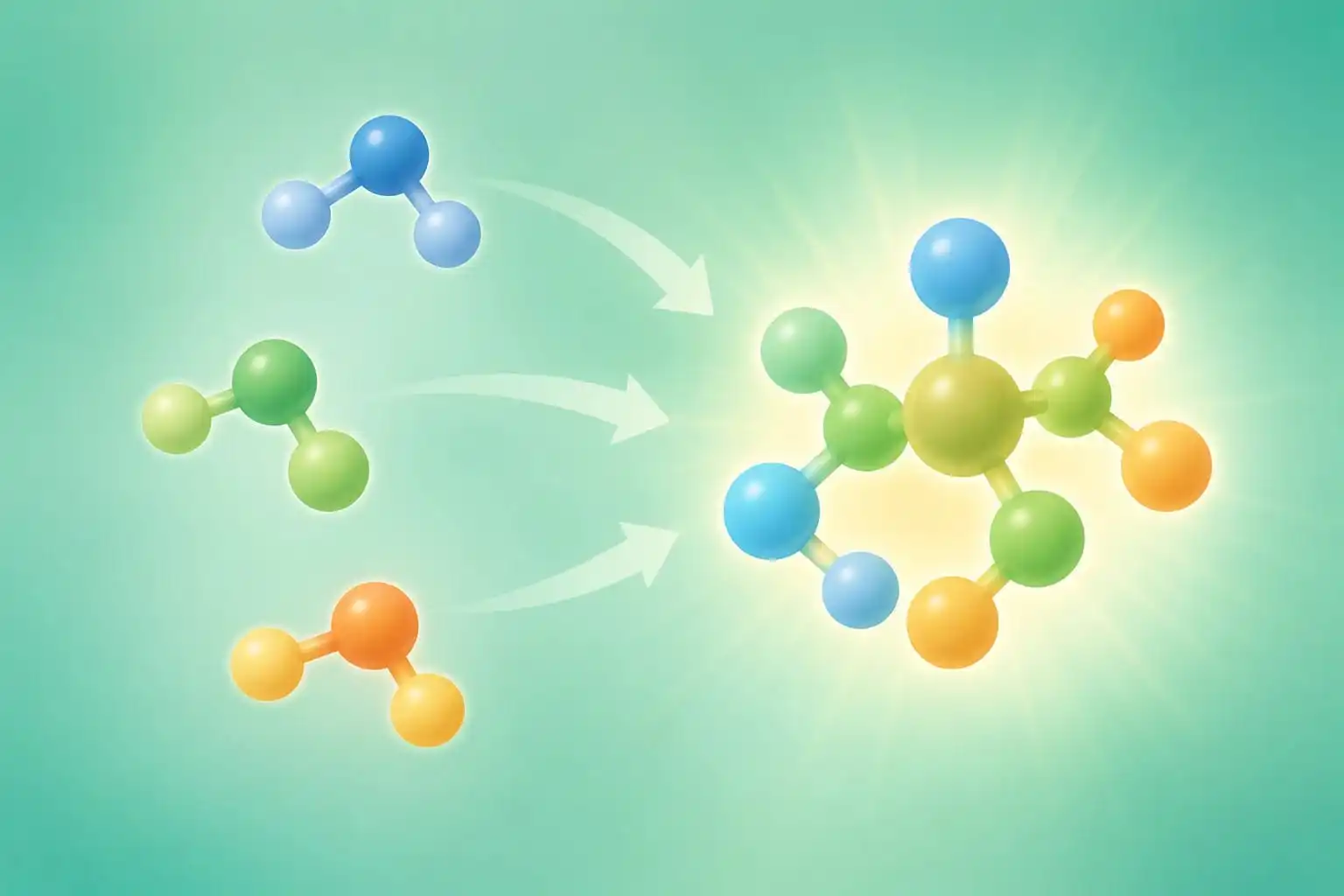
NAC is a modified form of the amino acid L-cysteine. Your body uses cysteine, along with glutamate and glycine, to build glutathione — often called the body’s “master antioxidant” because nearly every cell relies on it to neutralize oxidative stress and support the liver’s detox pathways. Cysteine is typically the bottleneck in that process, since your body makes less of it on its own than it does the other two building blocks. Taking NAC is essentially a way to supply more of the ingredient your glutathione production is most often short on.
NAC isn’t just a supplement — the same compound, as inhaled or intravenous acetylcysteine, has been a prescription drug for decades, used to thin mucus in respiratory conditions and to treat acetaminophen poisoning in hospitals. That dual status (OTC supplement and medical drug) is part of why it has more rigorous research behind it than most items on a supplement shelf.
NAC Benefits: What the Evidence Actually Shows
Not all NAC benefits rest on the same quality of evidence. Some are backed by large randomized trials; others come from smaller studies or animal research. Here’s how the most-cited benefits stack up:
| Benefit | Evidence strength | What the research shows |
|---|---|---|
| Fewer COPD flare-ups | Strong (multiple RCTs) | In a year-long trial of 1,006 adults with COPD, 600 mg taken twice daily brought flare-ups down to 1.16 per year versus 1.49 on placebo. A separate 120-person trial found a similar reduction. A pooled analysis of 13 trials (4,155 patients) found roughly a 25% lower flare-up risk overall, with doses of at least 1,200 mg daily. |
| Acetaminophen overdose treatment | Strong (established medical use) | NAC has been the standard hospital antidote for acetaminophen poisoning for decades. In one study of 2,540 patients, starting NAC within 10 hours of overdose resulted in liver injury in 6.1% of at-risk patients, versus 26.4% when started 10–24 hours later. |
| Raising glutathione levels | Moderate (consistent human data) | Red blood cell glutathione levels have been shown to rise within weeks of NAC supplementation in multiple populations, including lead-exposed workers and older adults. |
| Fertility support in PCOS | Moderate (randomized trial) | In a trial of 230 women undergoing ovulation induction, adding 1.8 g of NAC daily for 5 days per cycle raised pregnancy rates to about 78%, compared with 58% without it. |
| Mood and compulsive behaviors | Moderate (mixed trial sizes) | Research on bipolar disorder, depression and OCD suggests NAC may help by regulating glutamate, a brain neurotransmitter — but trial sizes are generally small (dozens to a few hundred participants) compared to the COPD research. |
| General detoxification support | Preliminary (mechanistic, not disease-specific) | NAC supports the liver’s glutathione-dependent detox pathways in principle, but outside of acetaminophen overdose, there isn’t strong clinical trial evidence for “detox” as a standalone benefit in healthy adults. |
The pattern here is worth noticing: NAC’s best-supported uses (COPD, acetaminophen overdose) are the ones with decades of hospital use behind them. The more broadly marketed “wellness” benefits — detox, mood, antioxidant support in otherwise healthy people — rest on thinner or more preliminary evidence. That doesn’t mean they’re false, but it does mean the certainty is lower.
NAC Dosage: What the Studies Actually Used
Clinical research on NAC spans a wide dosage range — anywhere from 300 mg up to 6 grams (6,000 mg) daily, depending on the condition studied. For general supplement use, most research and product labeling fall in a narrower, more typical range:
- Typical supplement range: 600–1,800 mg per day, often split into two or three doses
- COPD-specific trials: 600 mg twice daily (1,200 mg total) was the effective dose; once-daily 600 mg did not show the same benefit in a 3-year trial
- PCOS/fertility trials: 1.8 g daily, taken only during specific days of the cycle, not continuously
Two practical notes from the research: NAC is absorbed quickly but not efficiently — only about 6–10% of an oral dose reaches your bloodstream as intact NAC, and that absorbed fraction increases with higher doses. Its half-life in the blood is roughly 2 hours, which is one reason many studies split the daily dose into two or three servings rather than one large one.
Side Effects and Who Should Be Cautious
NAC is generally well tolerated at oral doses up to 3,000 mg daily, with gastrointestinal issues (nausea, vomiting, diarrhea) being the most commonly reported side effect. Beyond general tolerance, a few specific cautions are worth knowing:
⚠️ Blood-thinning medications – NAC may impair blood clotting. If you take anticoagulant medication such as warfarin, talk to your physician, and expect to pause NAC before any planned surgery.
⚠️ Nitroglycerin and blood pressure medication – Combining NAC with nitroglycerin has been linked to severe low blood pressure and intense headaches. This is considered a probable, severe interaction, not a theoretical one.
⚠️ Asthma and allergy history – People with asthma are at higher risk of allergic-like (anaphylactoid) reactions to NAC, particularly with intravenous administration.
⚠️ Pregnancy and nursing – Short-term, lower-dose oral use during pregnancy appears to have a reasonable safety record in limited studies, but longer-term use hasn’t been well studied and NAC does cross the placental barrier. Safety during nursing has not been established. Talk to your physician before using NAC in either case.
⚠️ Active cancer treatment – Because some chemotherapy and radiation treatments work partly by creating oxidative stress, taking a strong antioxidant during active cancer care should only be done with your oncology team’s approval.
If you’re taking activated charcoal or another binder for an unrelated reason, space it at least two hours apart from NAC, since charcoal can absorb it and reduce its effectiveness.
NAC in Combination Formulas
NAC rarely appears alone in practitioner-grade supplement lines — it’s more often paired with other antioxidant and energy-metabolism compounds in a single formula. MitoCORE by Ortho Molecular, for example, combines 600 mg of NAC per serving with acetyl L-carnitine and alpha lipoic acid on top of a multivitamin base — reflecting the common practitioner approach of using NAC as one piece of a broader cellular energy and antioxidant strategy rather than a standalone treatment. If you’re comparing single-ingredient NAC against a combination formula, the right choice mostly comes down to whether you want to address NAC’s specific research-backed uses in isolation, or take a broader multivitamin-plus-antioxidant approach.
Conclusion
NAC has one of the more substantial evidence bases of any over-the-counter supplement, particularly for COPD symptom reduction and as a medical antidote for acetaminophen overdose. Its broader “wellness” benefits — detox, mood, general antioxidant support — are plausible based on how glutathione works in the body, but rest on thinner clinical evidence than its best-studied uses. The interactions with blood thinners and nitroglycerin are specific enough to take seriously, not just a generic disclaimer.
As always, talk to your healthcare provider before starting NAC, especially if you take blood-thinning or blood-pressure medication, are pregnant or nursing, or are undergoing cancer treatment.
Frequently Asked Questions
What is the main benefit of taking NAC?
NAC’s most clinically established benefits are reducing COPD flare-ups and serving as the standard antidote for acetaminophen overdose. Its role as a building block for glutathione, the body’s master antioxidant, underlies most of its other proposed benefits.
What is a typical NAC dosage?
Most supplement research and labeling use 600–1,800 mg daily, split into two or three doses. Specific clinical trials have used doses from 300 mg up to 6,000 mg depending on the condition studied.
Can NAC interact with medications?
Yes. NAC may interact with blood-thinning medications (impaired clotting) and nitroglycerin (severe low blood pressure and headaches). People taking either should consult their physician before using NAC.
Is NAC safe to take every day?
Oral NAC at doses up to 3,000 mg daily is generally well tolerated, and clinical studies have used it continuously for periods ranging from 6 weeks to several months. Long-term daily use beyond that has not been as extensively studied.
Is NAC the same as taking glutathione directly?
No. Oral glutathione is poorly absorbed and can be broken down in the stomach. NAC provides cysteine, the amino acid building block your body is typically shortest on, so your own cells can produce glutathione internally — generally considered a more effective approach than supplementing glutathione itself.